
M.E.A.T. GmbH — Meat, Education, Ambition, Travel

EDUCATION · TEACHING METHODS · TRANSFER

EDUCATION · TEACHING METHODS · TRANSFER

Education & Pedagogy

Education & Pedagogy

Education & Pedagogy

Professionally sound, practical training for the meat industry.

Professionally sound, practical training for the meat industry.

M.E.A.T. GmbH’s educational programs are structured, application-oriented, and internationally compatible. Knowledge should not merely be imparted—it should be understood, contextualized, and applied with confidence.

M.E.A.T. GmbH’s educational programs are structured, application-oriented, and internationally compatible. Knowledge should not merely be imparted—it should be understood, contextualized, and applied with confidence.

Product as a Learning Object
Didactic Learning Logic in Practice

Knowledge that pays off in practice.

Knowledge that pays off in practice.

Knowledge that pays off in practice.

The effectiveness of educational efforts is not determined by the amount of content taught, but by its impact. What matters is whether specialized knowledge helps reveal connections, improves decision-making, and can be applied confidently in everyday work.

The effectiveness of educational efforts is not determined by the amount of content taught, but by its impact. What matters is whether specialized knowledge helps reveal connections, improves decision-making, and can be applied confidently in everyday work.

M.E.A.T. combines practical experience, in-depth product knowledge, and a clear instructional structure. Its educational offerings range from nationally established practical training programs to learning and quality frameworks that are comparable on an international level.

M.E.A.T. combines practical experience, in-depth product knowledge, and a clear instructional structure. Its educational offerings range from nationally established practical training programs to learning and quality frameworks that are comparable on an international level.

Learning as a Transparent Process

Learning as a Transparent Process

Learning as a Transparent Process

The learning logic progresses from the product through subject-matter understanding and application to transfer. It replaces a haphazard variety of methods with a clear structure that fosters lasting competence and remains comparable across different formats and levels.

The learning logic progresses from the product through subject-matter understanding and application to transfer. It replaces a haphazard variety of methods with a clear structure that fosters lasting competence and remains comparable across different formats and levels.

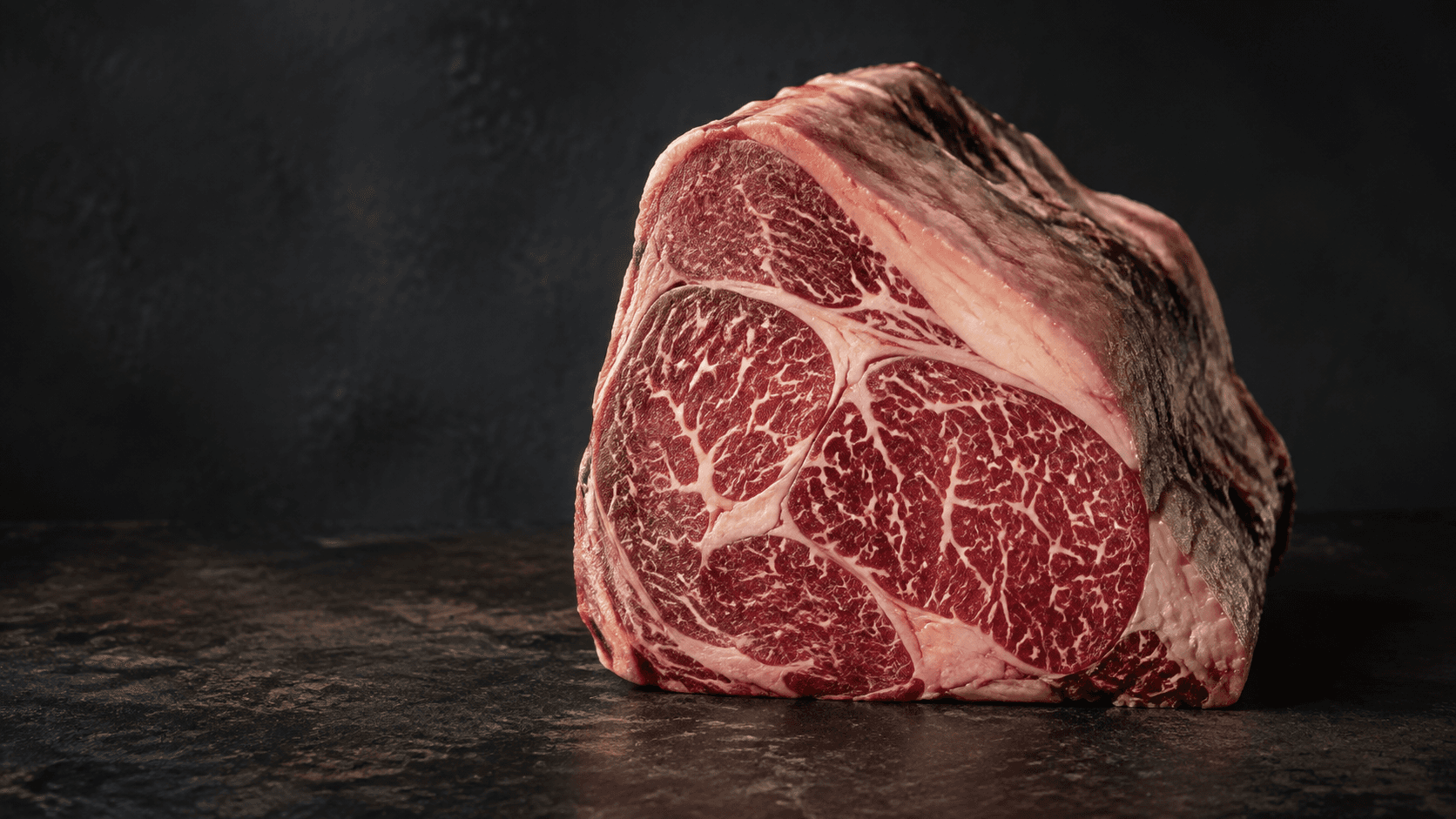
Practical application scenario involving a meat product, discussion, and documentation
OriginObserve, classify, decide, and put it into practice.

Observation: Raw materials, origin, and product culture are considered part of the professional task.

Context: A product's originshapes expectations regarding its quality, workmanship, and proper classification.

Decision: Well-reasoned decisions begin with the context in which the product was developed.

Intraining, operations, sales, and consulting, one’s background thus becomes a clear professional guide.

Observation: Fiber orientation, cut, texture, and visible product characteristics are evaluated together.

Context: This structure explains why processing, cutting, and subsequent use are inseparable.

Decision: Thosewho recognize structure can justify work steps and quality assessments with greater professional confidence.

In this way, product knowledgeis transformed into practical expertise rather than isolated factual knowledge.

Observation: The product’s degree of ripeness, aroma, texture, and development over time are all assessed together.

Context: Agingalters perception and quality; its effect becomes clear within the specific product context.

Decision: Technicalclassification supports reliable assessments of condition, use, and quality level.

Transfer: The relationships remain comparable across different products and ripening concepts.

Observation: Work steps are interpreted not as a sequence of instructions, but as a deliberate modification of the product.

Context: Processingcombines raw materials, artisanal techniques, product quality, and safe use.

Decision: Eachstep can be justified based on its impact on structure, quality, and outcome.

Transfer theoryexplains what happens in practice; practice shows where a deeper understanding is needed.

Observation: Temperature, cut, time, and the desired result are considered as an integrated process.

Context: Preparationillustrates how product knowledge translates into concrete actions and quality decisions.

Decision:The result is not merely reproduced, but is analyzed from a technical perspective and justified.

Transfer: This is how knowledge is applied to new situations and put to use as a lasting, reproducible skill.

Application in the Meat Industry

Learning with a Product-Centric Approach

Learning with a Product-Centric Approach

Learning with a Product-Centric Approach

A product encompasses its origin, structure, aging, processing, and preparation. Educational efforts highlight these connections rather than treating them as separate topics.

A product encompasses its origin, structure, aging, processing, and preparation. Educational efforts highlight these connections rather than treating them as separate topics.

Theory explains what happens in practice. Practice, in turn, deepens understanding where it is needed. This is how knowledge is developed—knowledge that is useful not only in exam situations, but also in the workplace, in sales, in consulting, and in training.

Theory explains what happens in practice. Practice, in turn, deepens understanding where it is needed. This is how knowledge is developed—knowledge that is useful not only in exam situations, but also in the workplace, in sales, in consulting, and in training.

In this context, practical relevance does not mean oversimplification. It means relevance: real-world questions from the skilled trades, industry, retail, and the food service industry are analyzed from a professional perspective—without detours and without an overload of theory.

In this context, practical relevance does not mean oversimplification. It means relevance: real-world questions from the skilled trades, industry, retail, and the food service industry are analyzed from a professional perspective—without detours and without an overload of theory.

Structure Gives Direction to Knowledge

Structure Gives Direction to Knowledge

Structure Gives Direction to Knowledge

01

Product Reference

Origin, structure, aging, processing, and preparation are taught as an integrated field of knowledge.

02

Clear Learning Logic

03

Practical Relevance

04

Comparability

For Professional Practice, Leadership, and Educational Work

For Professional Practice, Leadership, and Educational Work

For Professional Practice, Leadership, and Educational Work

The educational programs are aimed at professionals in the butchery trade and related fields, as well as sales and consulting staff and managers, and at businesses, associations, educational institutions, and organizations.

The educational programs are aimed at professionals in the butchery trade and related fields, as well as sales and consulting staff and managers, and at businesses, associations, educational institutions, and organizations.

It is most effective where in-depth subject matter and practical instruction go hand in hand: in structured knowledge transfer, product-related skills development, course and program design, and the development of sustainable educational concepts.

It is most effective where in-depth subject matter and practical instruction go hand in hand: in structured knowledge transfer, product-related skills development, course and program design, and the development of sustainable educational concepts.

→ Skilled workers and trainees

→ Skilled workers and trainees

→ Sales, Consulting, and Management

→ Sales, Consulting, and Management

→ Businesses and Associations

→ Businesses and Associations

→ Schools and Educational Institutions

→ Schools and Educational Institutions

Rooted in the nation, with an international perspective

Rooted in the nation, with an international perspective

Rooted in the nation, with an international perspective

The meat industry is shaped by international factors: global supply chains, differing perceptions of quality, aging methods, and cultural expectations. Educational initiatives must be able to address these differences.

The meat industry is shaped by international factors: global supply chains, differing perceptions of quality, aging methods, and cultural expectations. Educational initiatives must be able to address these differences.

M.E.A.T. compares educational systems, understandings of products, and quality standards. This creates a robust frame of reference that respects national standards while also drawing on international perspectives.

M.E.A.T. compares educational systems, understandings of products, and quality standards. This creates a robust frame of reference that respects national standards while also drawing on international perspectives.

International Educational Initiatives

Expertise is effective when it can be understood and applied.

Expertise is effective when it can be understood and applied.

Expertise is effective when it can be understood and applied.

Gain a deeper understanding of the connections between meat science and sensory analysis, aging, and quality, or learn more about Ronny Paulusch and the projects undertaken by M.E.A.T. GmbH.

Gain a deeper understanding of the connections between meat science and sensory analysis, aging, and quality, or learn more about Ronny Paulusch and the projects undertaken by M.E.A.T. GmbH.