
Bringing Together Different Levels of Knowledge
Diverse experiences are brought together through clearly defined target competencies and shared technical terminology.
IN-HOUSE TRAINING AS A KNOWLEDGE TRANSFER WORKSHOP
No off-the-shelf, standard program. M.E.A.T. develops a customized training format tailored to specific individuals, tasks, and organizational goals.
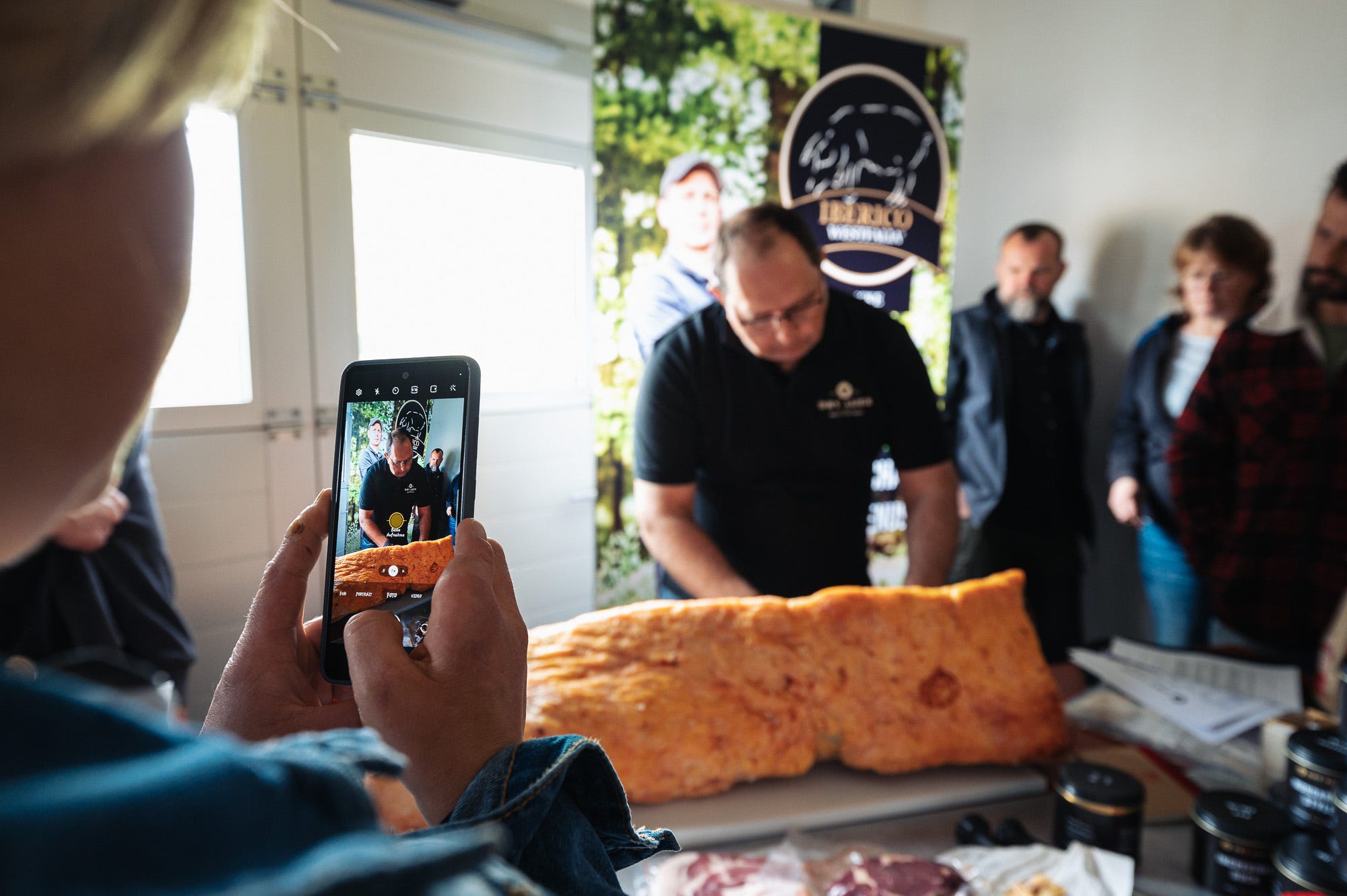
THE BACKGROUND
Companies and organizations each have different levels of knowledge, processes, quality standards, and specific tasks. That is why an effective in-house training program does not begin with a pre-determined seminar plan, but rather with the question of what needs to work better in day-to-day operations.
Diverse experiences are brought together through clearly defined target competencies and shared technical terminology.
The framework, time slots, products, tasks, and existing routines determine the structure and practical component.
Product, preparation, sales, and teamwork are integrated where the business has a real need.
Application, feedback, documentation, and potential routines are integral parts of the learning architecture from the very beginning.
THE M.E.A.T. PRINCIPLE
The six-phase work process meets the technical requirements and translates them, step by step, into a practical, analyzable form.
Work together to determine what participants should be able to do, be assessed on, or learn by the end of the training program.
The team, current knowledge, context, needs, and available time form the basis for planning.
Substantive depth, well-structured sequences, materials, and verifiable learning outcomes are appropriately combined.
Demonstration, practice, observation, and immediate feedback are integrated into the specific task.
Standards, checklists, routines, and clearly defined responsibilities can help facilitate the transition into everyday life.
The agreed-upon learning and practical goals are evaluated: What is working, and what needs further improvement?
FOUR DIMENSIONS OF IMPACT
Select a dimension. The architecture remains visible as a coherent path, not as a random series of individual maps.
DIMENSION 01
DIMENSION 02
DIMENSION 03
DIMENSION 04
THREE ACADEMIC APPROACHES
The topics are not addressed in isolation. The key factor is which technical issues, learning objectives, and practical applications should be linked.
TYPICAL QUESTIONS
A shared professional standard makes it easier to make product decisions, discuss quality, and work effectively as a team.
In-house product training · modular learning units · training materials · competency and assessment format
TYPICAL QUESTIONS
Practical application becomes easier to discuss. Decisions are based on verifiable observations rather than on isolated individual values.
Hands-On Workshop · Workshop Series · Modular In-House Program · Checklists and Worksheets
TYPICAL QUESTIONS
Expertise becomes more clearly applicable in customer interactions and collaboration. A common language supports more consistent decision-making.
In-House Training · Workshop Series · Training Materials · Competency Framework for Teams
INTERACTIVE TRANSFER WORKSHOP
Compile the target audience, starting point, topic, practical component, and desired outcome. This selection is intended solely as a guide for the initial consultation.
WHAT REMAINS IN OPERATION
The goal is to establish a solid, professionally sound foundation that can be applied in day-to-day work. The specific outcomes deemed appropriate will be agreed upon based on the task at hand.
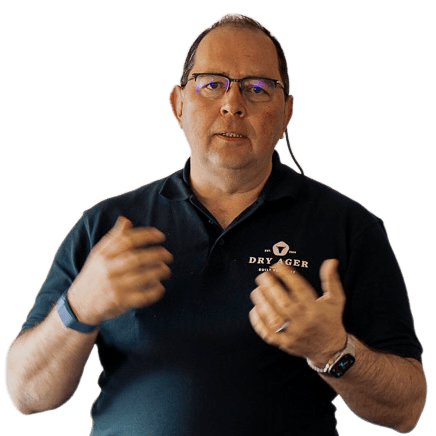
FOR BUSINESSES AND ORGANIZATIONS
The program is specifically designed for the butchery trade, the food industry, food retail, and vocational training and continuing education. The program is generally designed and implemented by Ronny Paulusch and M.E.A.T., respectively. Other qualified instructors are involved only on a project-by-project basis and after prior consultation.
The scope, duration, and compensation are based on the objectives, team size, complexity of the subject matter, and on-site conditions. The initial consultation is used to clarify the objectives, context, and expectations. Professional development can support knowledge transfer and quality, but does not guarantee a specific outcome or product safety.
YOUR JOB DESCRIPTION